

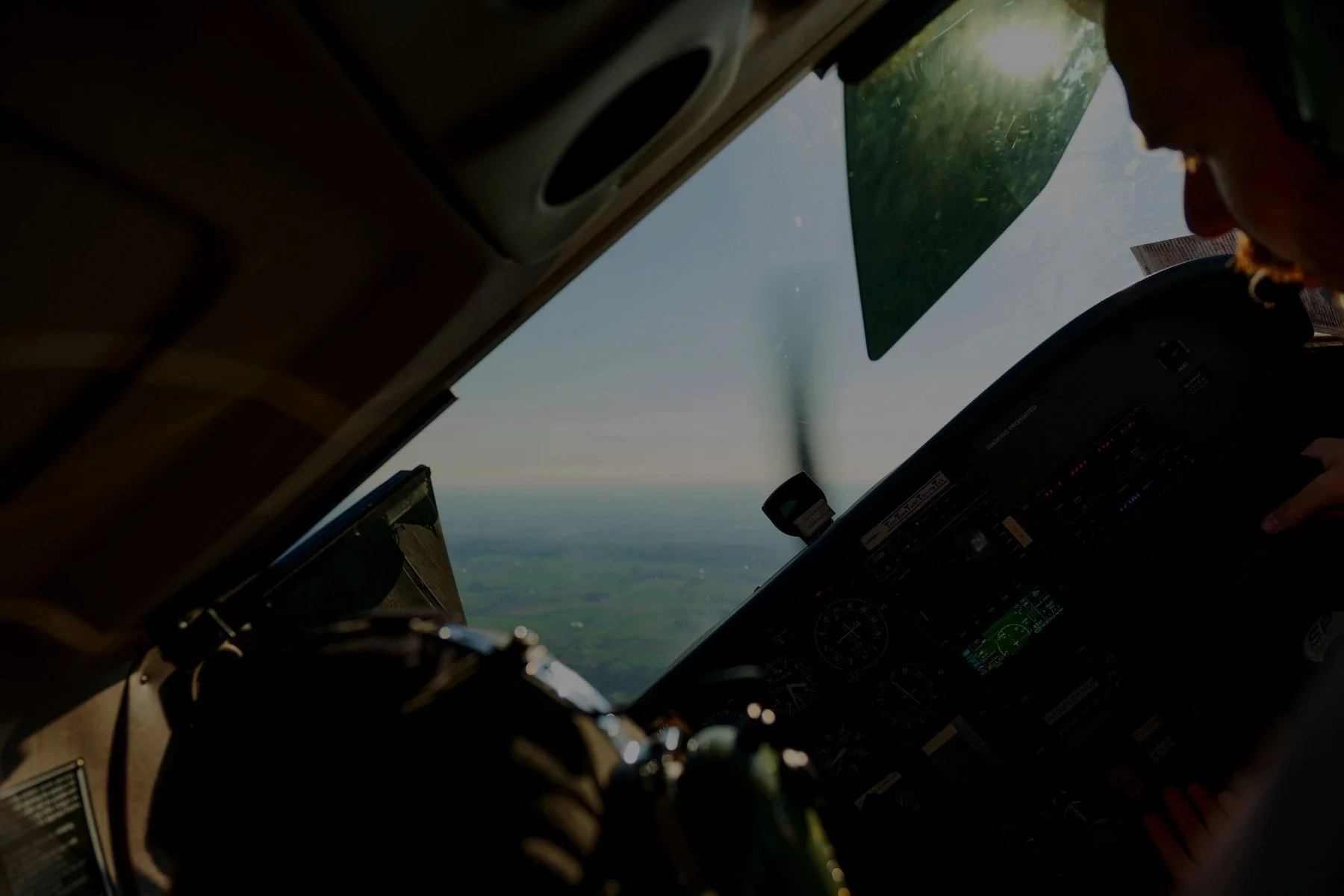
Commercial Pilot
Get Paid to Fly
The Commercial Pilot Certificate is what separates recreational flying from a career. It authorizes you to act as pilot-in-command (PIC) of an aircraft for compensation or hire, and opens the door to every professional aviation path.
TOTAL FLIGHT HOURS
250 hours
Part 61 minimum
PICTIME
100 hours
Pilot-in-command
XC PIC TIME
50 hours
Cross-country required
COMPLEX / TAA
10 hours
Required for certificate
MINIMUM AGE
18
For certificate issuance
What Training Looks Like
Commercial training builds on your existing skills and elevates them to a professional standard.
Here’s what to expect at each phase.
COMMERCIAL MANEUVERS
Chandelles, lazy eights, eights on pylons, steep spirals. These precision maneuvers define the commercial ACS standard. You’ll practice until you can demonstrate each one consistently within tight tolerances.
COMPLEX AIRCRAFT TRAINING
Ten hours in a complex aircraft (retractable gear, flaps, constant-speed prop) is required. You’ll earn your complex endorsement and learn to operate at a higher performance level..
LONG CROSS-COUNTRY
A 300 nautical mile solo cross-country with landings at three points, with one leg at least 250 nm. Real-world planning, fuel management, and execution under commercial standards.
NIGHT & INSTRUMENT PROFICIENCY
10 hours of instrument time and 5 hours of night flying are woven throughout training. You’ll sharpen the skills built during your Instrument Rating and apply them to commercial operations.
PRECISION FLIGHT OPERATIONS
Commercial ACS standards are tighter than private. Every maneuver is refined until you can demonstrate it to commercial tolerances, the standard expected of a pilot who flies for pay.
CHECKRIDE PREP & PRACTICAL TEST
Comprehensive oral review of commercial privileges, regulations, and systems, then a full commercial checkride flight with your instructor. No surprises when you sit with the examiner.
FAA REQUIREMENTS
WHAT YOU’LL NEED
You’ll need a Private Pilot Certificate and Instrument Rating before starting. The remaining requirements are built up during training and must be completed before your checkride
AGE
Must be at least 18 years old to obtain a Commercial Pilot Certificate.
MEDICAL CERTIFICATE
Must hold at least a Second Class Medical Certificate.
FLIGHT HOURS
Minimum 250 hours total flight time (Part 61) or 190 hours (Part 141), including specific PIC, cross-country, and night requirements.
KNOWLEDGE TEST
Must pass the FAA Commercial Pilot Knowledge Test with a score of 70% or higher.
CERTIFICATES & RATINGS
Must hold a Private Pilot Certificate and Instrument Rating.
HOURLY REQUIREMENTS
PART 61 vs. PART 141
PART 61
250 hours total flight time
100 hours as Pilot in Command
50 hours cross-country as Pilot in Command
10 hours of training in a complex airplane, turbine-powered airplane, or TAA, as applicable
Required night and instrument experience
Commercial maneuvers and practical-test preparation
PART 141
190 hours total flight time
FAA-approved commercial pilot curriculum
Structured stage training and progress checks
Required cross-country, night, instrument, and commercial training
Practical-test preparation
Note: Specific aeronautical experience requirements vary depending on the training path and previous experience. Our admissions team can review your logbook and determine the most efficient pathway.
Your Question, Our Answer
-
A Commercial Certificate allows you to be paid to fly. Career options include charter pilot, cargo pilot, banner towing, aerial photography, pipeline patrol, flight instructor (with CFI), and eventually airline pilot.
-
The time varies based on your starting point. If you already have a Private Pilot Certificate and Instrument Rating, commercial training typically takes 2-4 months. The biggest factor is building the required 250 hours of total flight time.
-
Yes, an Instrument Rating is required to exercise full commercial privileges. Without it, you’re limited to commercial operations within 50nm during daylight hours, which significantly limits job opportunities.
-
Part 141 requires fewer total hours (190 vs 250) but follows a structured curriculum with FAA oversight. Part 61 offers more flexibility but requires more total flight time. Both lead to the same certificate.
-
Commercial training requires experience in a complex aircraft (retractable gear, flaps, and controllable propeller). You’ll also need either 10 hours of training or solo time in a complex or turbine-powered aircraft.
-
Yes, though most entry-level commercial pilot jobs require additional ratings or experience. Many new commercial pilots work as flight instructors (requires CFI) to build hours toward airline minimums.
Our Locations
We operate out of two airports in the Mid-Atlantic region.
Frederick Municipal Airport
KFDK
330 Aviation Way C, Frederick, MD 21701
Eastern West Virginia Regional Airport
KMRB
214 Aviation Way, Martinsburg, WV 25405
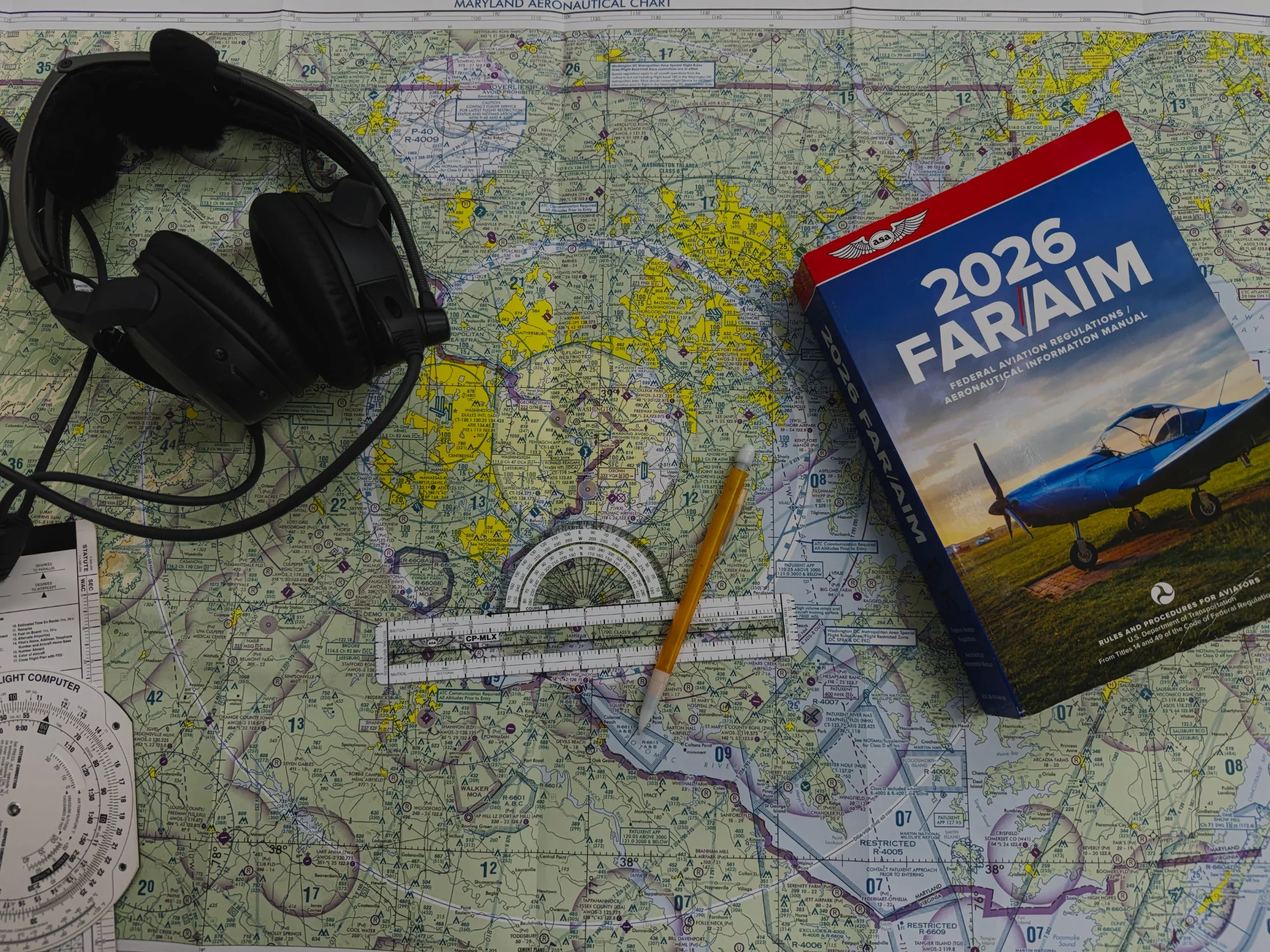
Ready to Get Started?
There’s no better time to begin than right now. Take the next step, and we’ll walk you through everything and have you in the air before you know it.