

FLIGHT TRAINING

Private Pilot Certificate (PPL)
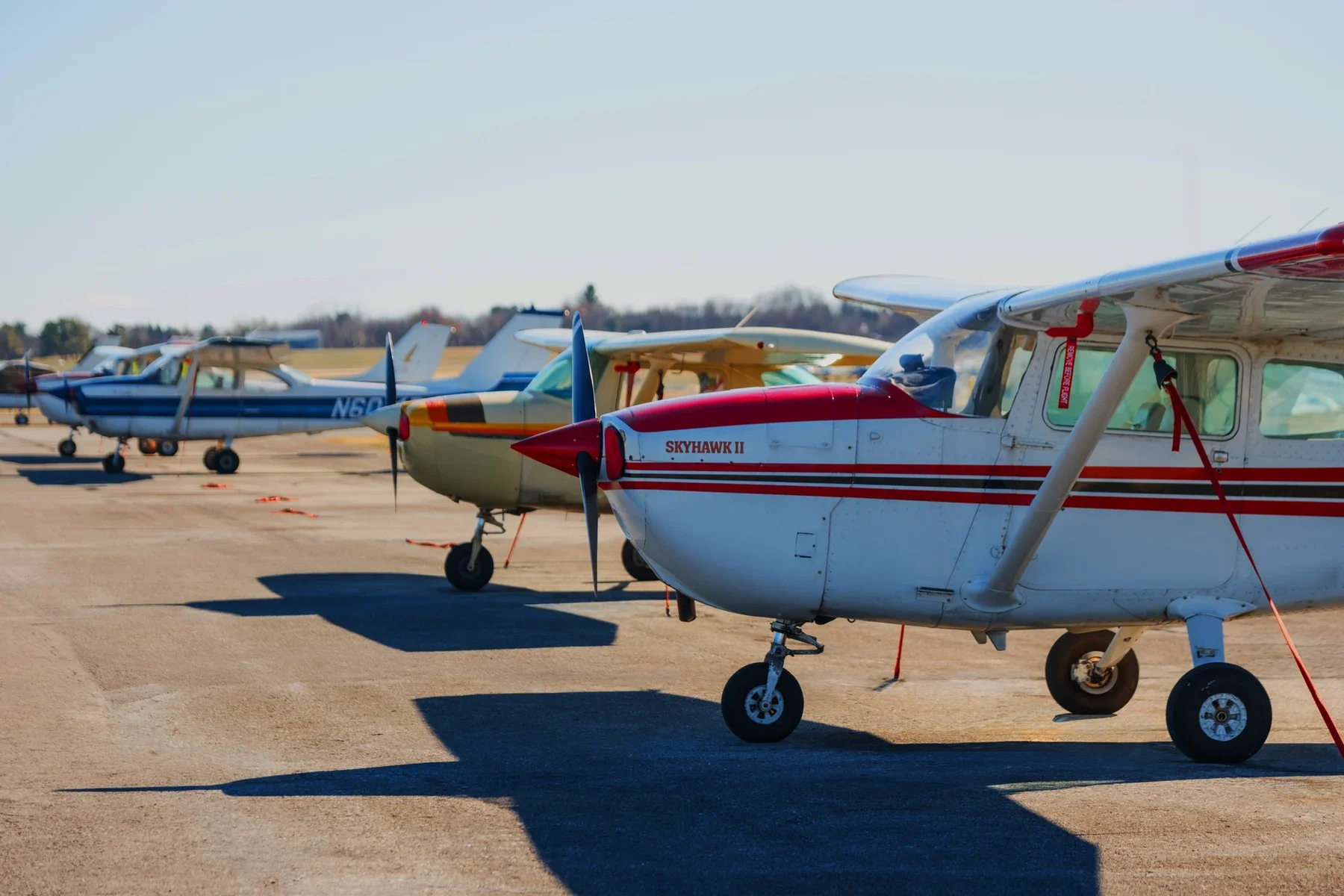
Earn your wings and take command of the skies. Our Private Pilot program covers everything from your first flight to your checkride, with experienced instructors guiding you every step of the way. You’ll build cross-country navigation skills, master emergency procedures, and develop the aeronautical decision-making that makes a safe, confident pilot. The PPL is the foundation every aviation career is built on.

Instrument Rating (IR)
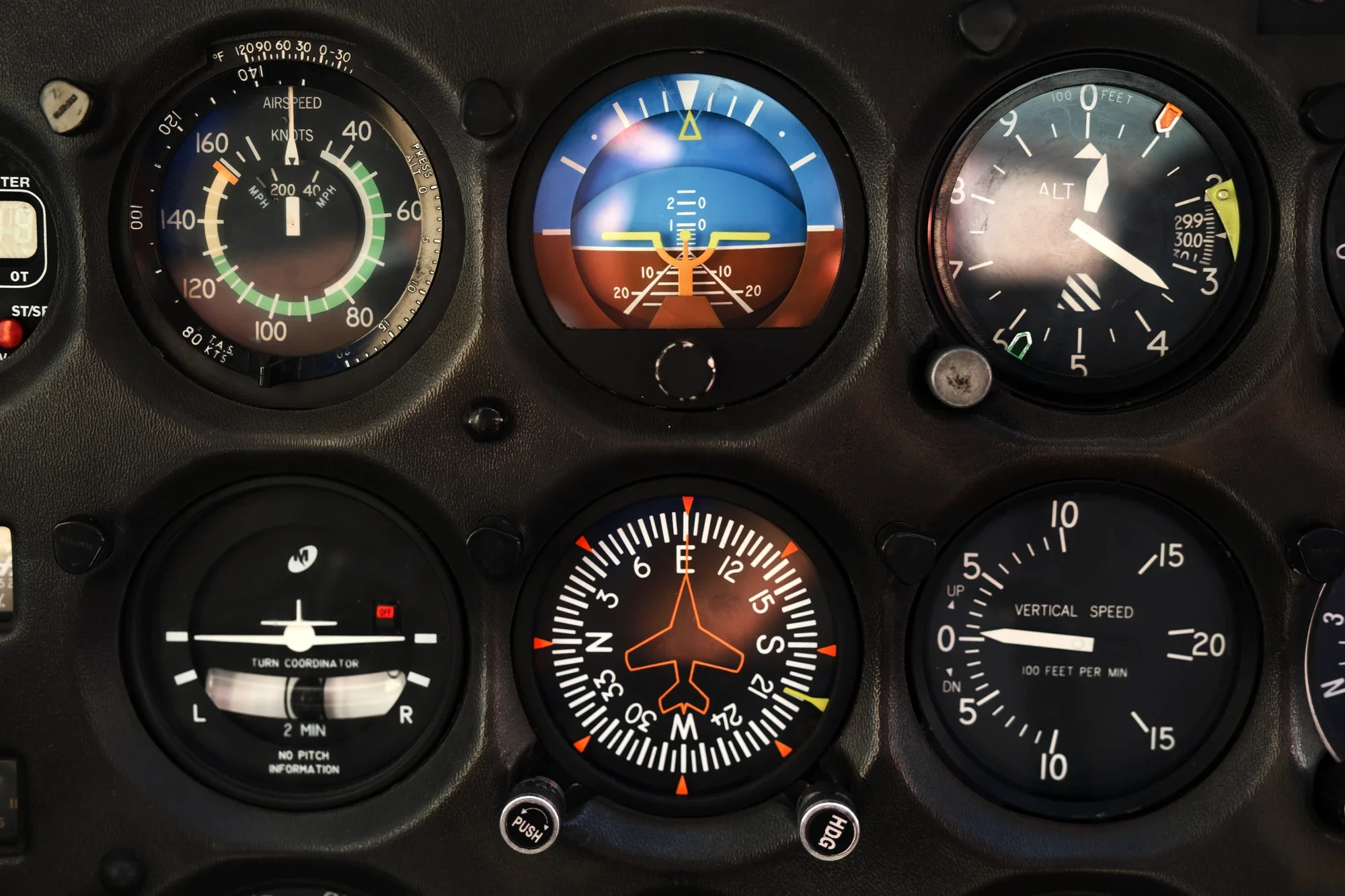
Fly with confidence in any weather. Our Instrument Rating program trains you to navigate solely by reference to instruments, opening up new destinations and making you a safer, more capable pilot. You’ll learn to fly approaches, holds, and departures in simulated and actual IMC conditions under the guidance of our CFII-rated instructors. The IR is one of the most practical ratings you can add, and one of the most demanding.
Commercial Pilot Certificate (CPL)
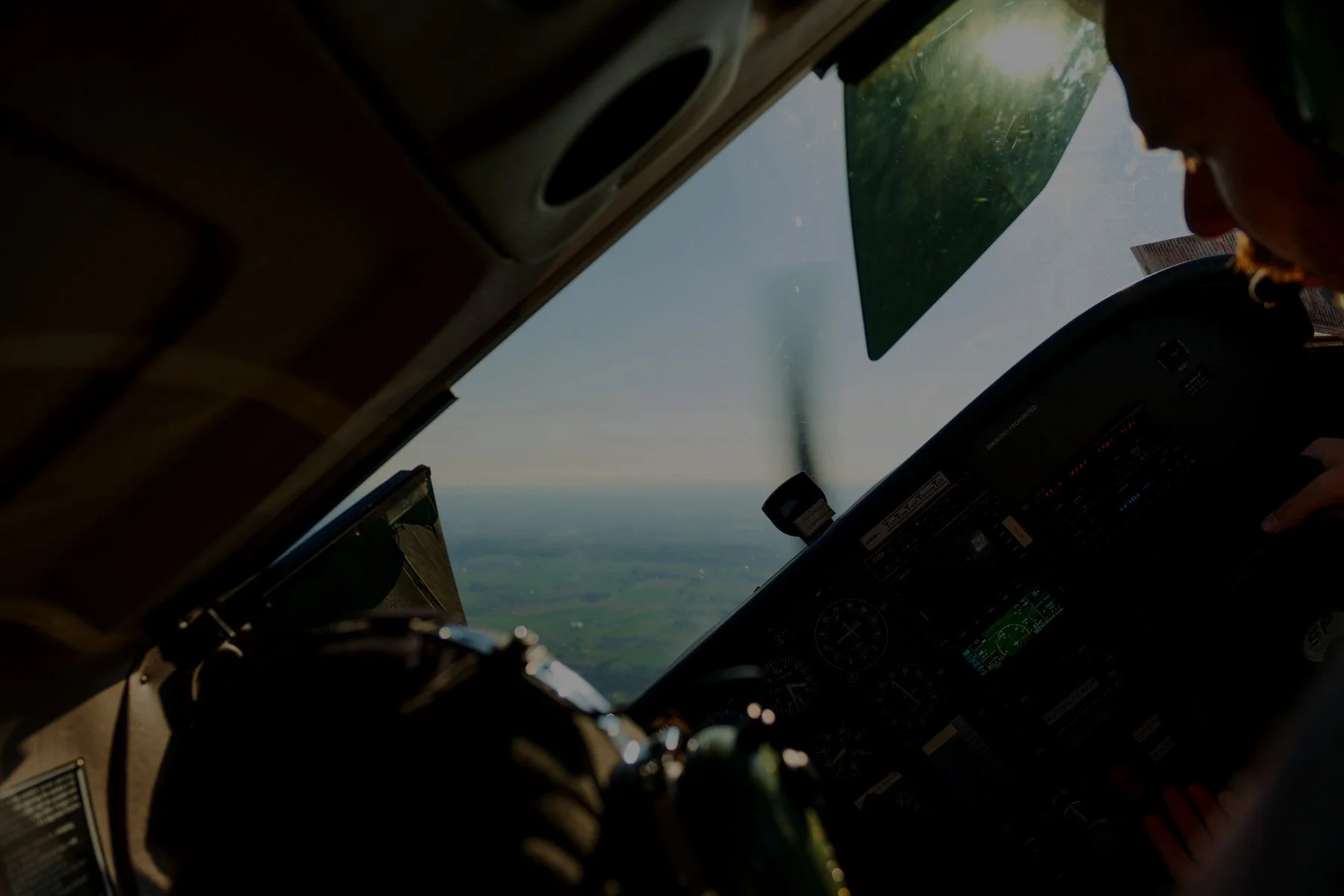
Turn your passion into a career. Our Commercial Pilot program builds the advanced skills and aeronautical knowledge you need to fly professionally, from complex maneuvers to cross-country operations. Training includes precision airwork, emergency procedures, and the kind of systems knowledge that sets commercial pilots apart from recreational ones. Upon completion, you’ll be eligible to act as pilot-in-command for compensation or hire.

Certified Flight Instructor (CFI)
Share your love of aviation by becoming a CFI. Develop the teaching skills and expertise needed to train the next generation of pilots while building valuable flight hours toward your career goals. The CFI certificate is one of the most efficient ways to accumulate the hours required for airline minimums, and teaching reinforces your own proficiency in ways that solo flying simply cannot. Bravo CFIs are eligible to apply for an instructor position here upon certification.
Certified Flight Instructor — Instruments (CFII)
Add the instrument instructor rating and teach the most demanding phase of flight training. The CFII lets you train instrument students, deepens your own IFR proficiency, and makes you considerably more valuable to any flight school or operator.
Multi Engine Land (MEL) + Multi Engine Instructor (MEI)
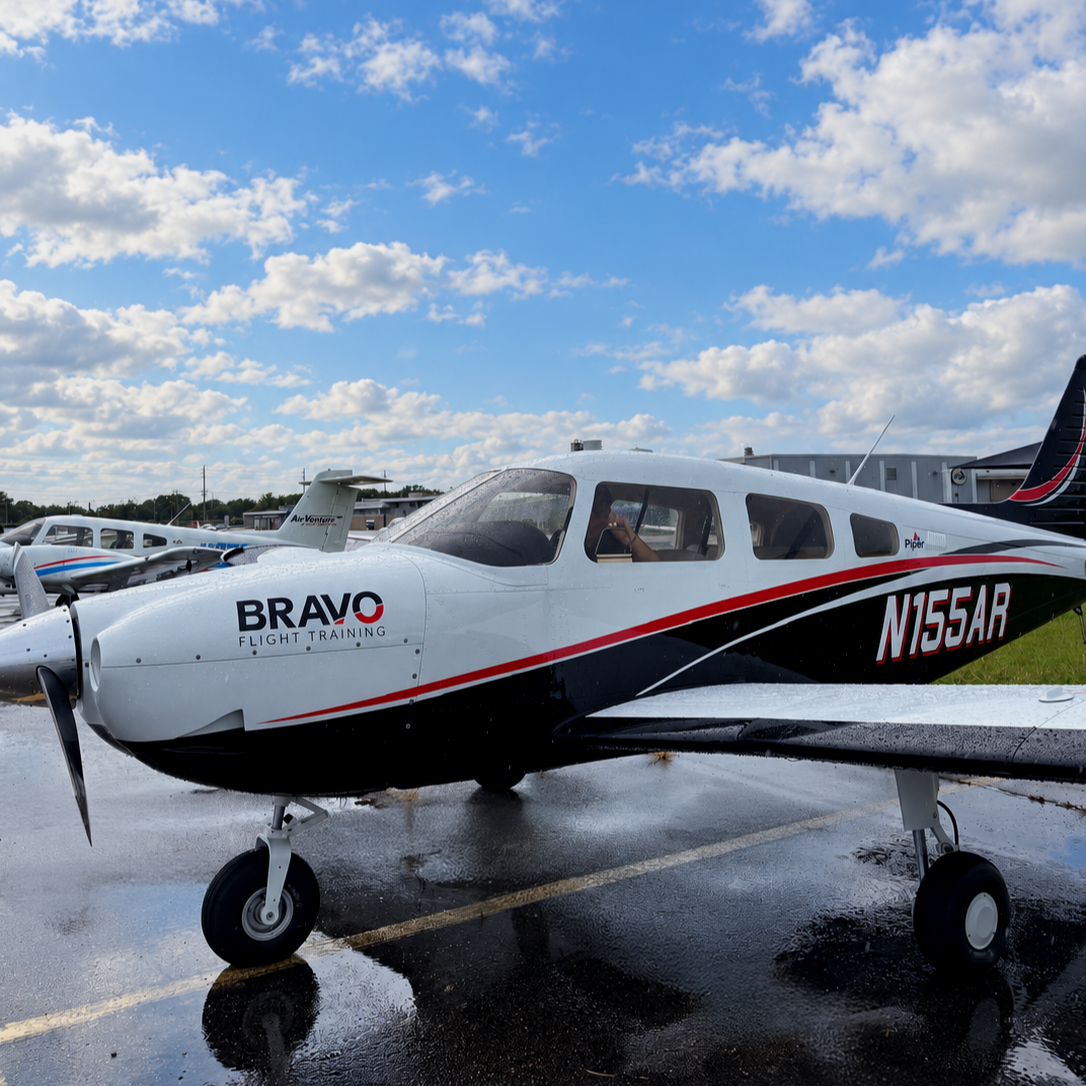
Step up to twin-engine aircraft. The MEL rating covers engine-out procedures, asymmetric flight, and complex systems management. Adding the MEI lets you instruct in multi-engine aircraft and build turbine-track hours faster.
The Sport Pilot License is the perfect way to experience the joy of flying. Designed for recreational pilots, it offers a more accessible path to the skies with less cost, less time, and incredible rewards.
START YOUR ADVENTURE
SPORT PILOT
LICENSE
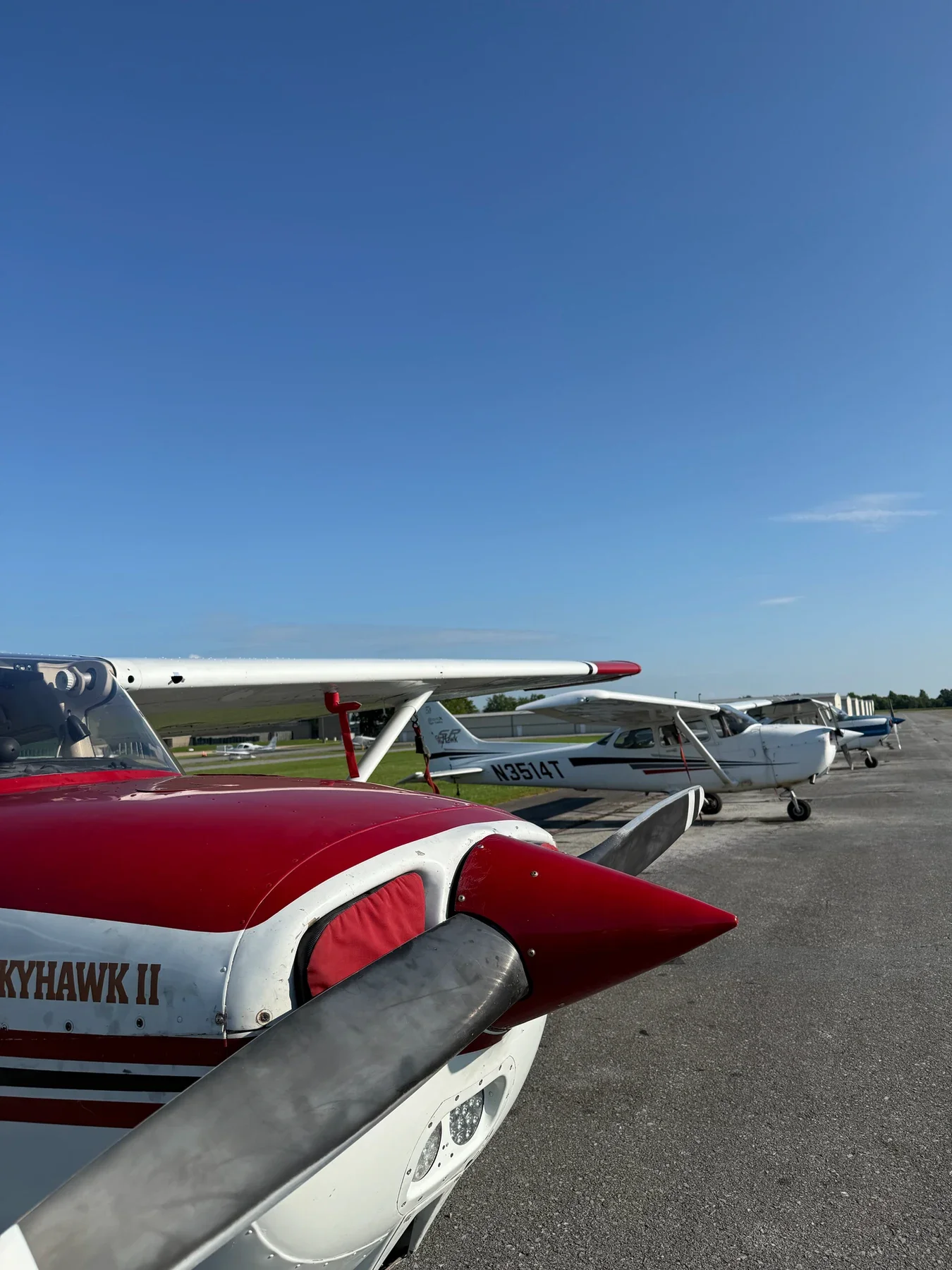
WHAT CAN YOU DO WITH A SPORT PILOT LICENSE?
Fly for recreation and personal enjoyment
Take family and friends on local flights
Build experiences and continue your aviation path
HIGHLIGHTS
MINIMUM AGE
17
LIGHT-SPORT AIRCRAFT
DAY VFR ONLY
20 Hours Min Flight time
MORE AFFORDABLE
READY TO TAKE OFF?
Our team is here to help you get started and enjoy the freedom of flight
OUR PROGRAMS
Train your way. Choose an accelerated program for faster progress or complete your training at your own pace with our flexible packages.
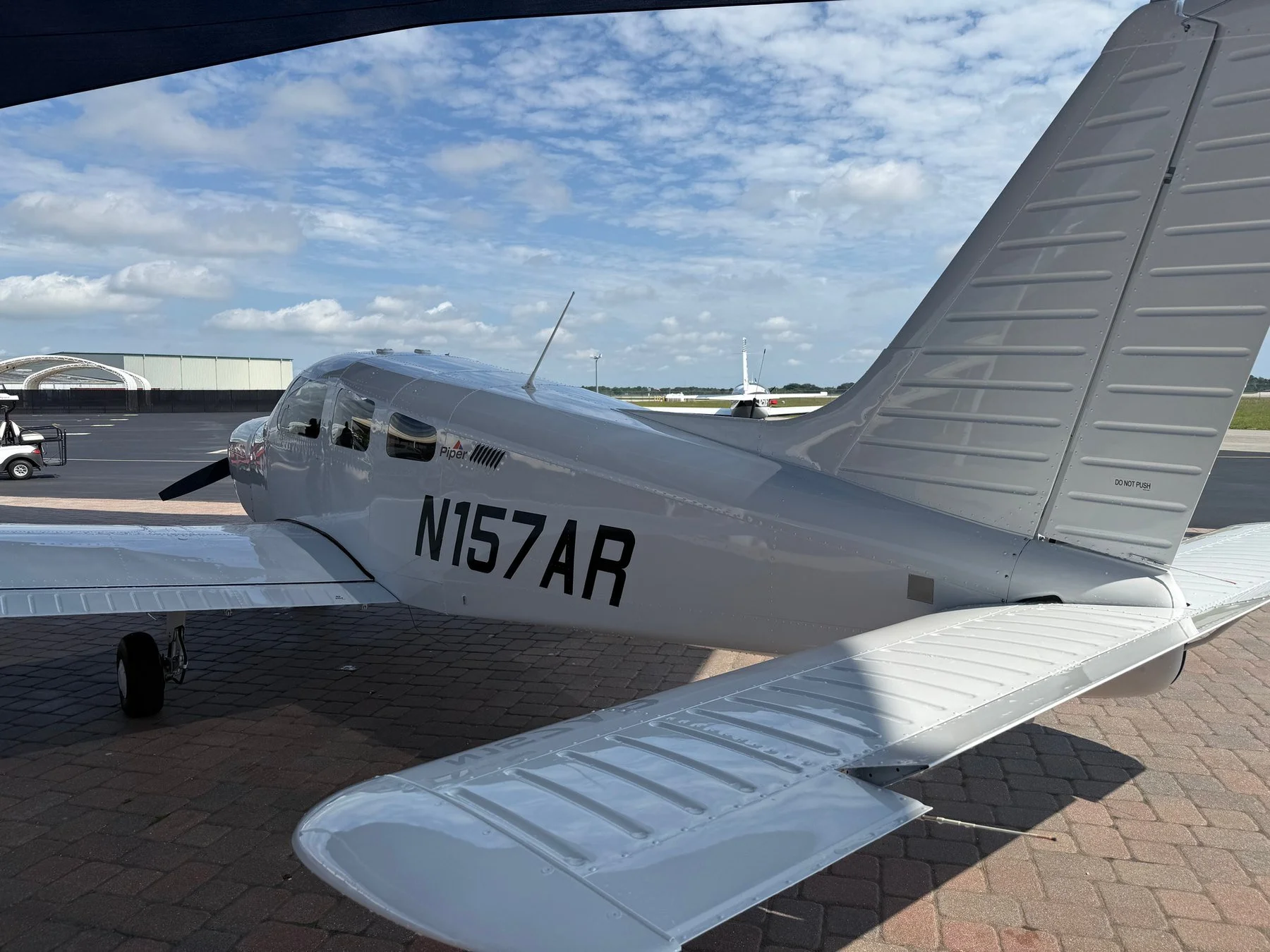
FAST-TRACK PRIVATE PILOT CERTIFICATE
8-10 Weeks
Part 141 Program
Up to 65 Flight Hours
DPE and Written Test Fees Included
$20,000
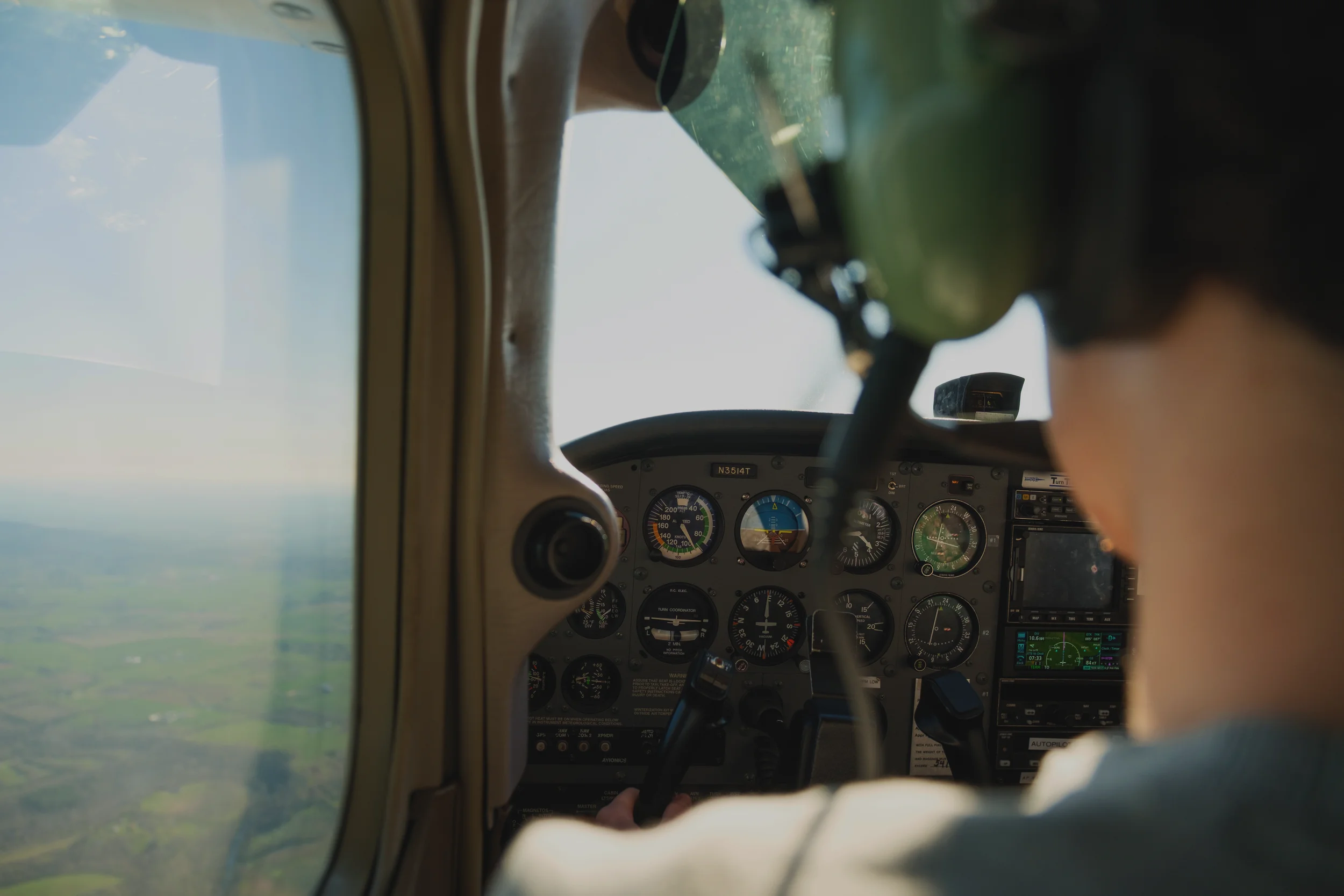
FAST-TRACK INSTRUMENT RATING
6-8 Weeks
Part 141 Program
Up to 50 Flight Hours
DPE and Written Test Fees Included
$15,000
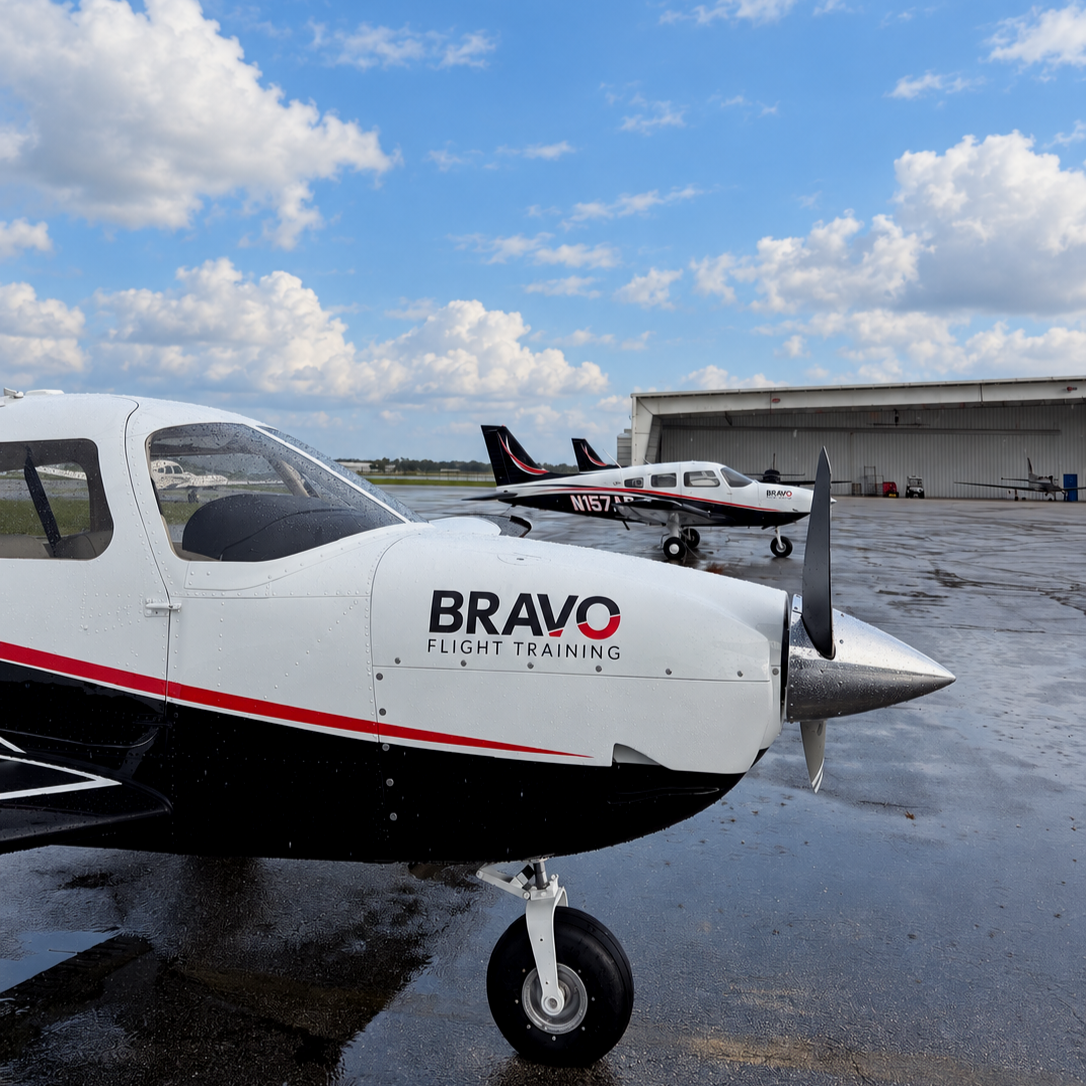
PPL+IR+COMMERCIAL
12 Months
Part 141 Program
Up to 250 Flight Hours
DPE and Written Test Fees Included
$65,000
ACCELERATED CAREER PILOT
12 Months
Housing Included
PPL+IR+Commercial
DPE and Written Test Fees Included
$120,000
ADD ON’S
MULTI ENGINE RATING
(MEL)
15 hours Flight Time (Dual)
10 Hours FMX Sim
FAA Knowledge Test and DPE Fee
Training Books, Charts and required materials
$15,000
CFI+CFII
20 Hours Flight Time (Dual)
10 Hours FMX Sim
Ground Training Included
FAA Knowledge Test and DPE Fee
Training Books, Charts and required materials
$10,000
PICK YOUR CURRICULUM
PART 141 & PART 61
Most flight schools train under Part 61 by default. It's the standard path with sporadic scheduling and no FAA-mandated syllabus. Part 141 is an alternative program with a structured, FAA-approved curriculum and reduced hour requirements. Here's how they stack up.
PART 141
PART 61
FAA-Approved curriculum with stage checks


Fewer hours for Private Pilot Certificate
Fewer hours for Instrument Rating
Fewer hours for Commercial Certificate
Eligible for VA educational benefits
Structured syllabus and consistent scheduling
Have any Questions?
-
Flight training can be completed as quickly as you can fly. The FAA requires a minimum of 40 hours of flight time for a Private Pilot Certificate, but the national average is closer to 60 hours. How fast you progress depends on how often you fly and how quickly you absorb the material.
-
You’ll receive a welcome email with steps to follow, scheduling information, and access to our student portal. From there, you’ll be matched with an instructor and schedule for your first lesson.
-
Cost vary based on the program, your pace, your training stage, and other factors.
-
Yes, you can switch from Part 141 to Part 61 any time if you decide to change your training approach. However, switching from Part 61 to Part 141 will require additional training to meet the structured syllabus requirements of Part 141. We recommend switching early to allow sufficient time for any additional training. Contact us to discuss your specific situation and how we can accommodate your training needs.
-
In some cases, yes. Your aircraft must meet our insurance and maintenance requirements and be approved by our Chief Flight Instructor. Contact us to discuss the details.
Ready to Get Started?
There's no better time to begin than right now. Take the next step, and we'll walk you through everything and have you in the air before your know it.